Part 2: Pets, Family Activities, and Power Outages
You’ve checked your everyday essentials, gathered your snow supplies, and given your car some attention. But preparing for winter means thinking about what happens after the snow arrives, too.
What will your dog do when the yard is covered in ice? How will you keep yourself and your kids entertained after the excitement of a snow day wears off? And what’s your plan if the electricity goes out?
In Part 1, we covered getting ahead of the last-minute shopping rush. Now let’s talk about making those days at home safer, more comfortable, and a little more enjoyable.
1. Have a Winter Plan for Your Pets
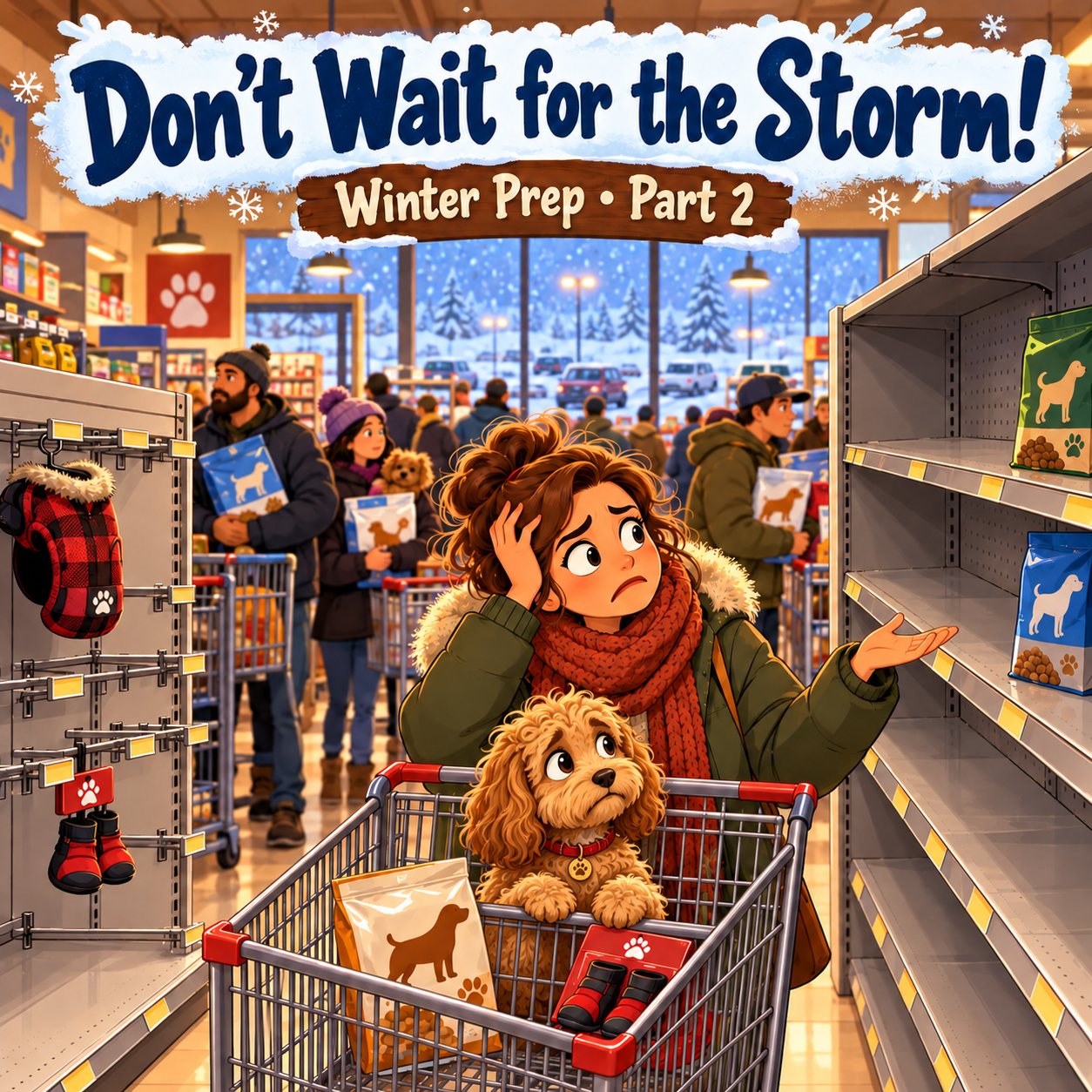
Remember how difficult it was to walk across the ice last winter? Your dog may have struggled with it, too. Even a quick bathroom break can become a challenge when steps, sidewalks, and grass are frozen over.
Think about a short, accessible bathroom route now. Decide how you’ll keep it clear without having to cross a slippery yard to reach it.
Consider properly fitting booties to help protect your dog’s paws from snow and de-icing chemicals. Let your dog practice wearing them before the first storm—those first few steps might provide a little entertainment of their own!
Booties don’t make slippery ground safe, though. Keep outings brief when conditions are harsh, and have a towel by the door to clean and dry paws afterward.
Check your pet supplies, too:
- Enough of their regular food and extra drinking water.
- Any medications they need.
- Waste bags, cat litter, and other everyday supplies.
- Warm bedding and a comfortable indoor resting place.
Keep ice melt and antifreeze out of pets’ reach, and follow product precautions even when something is labeled pet-friendly.
Have a few indoor activities ready for days when long walks aren’t practical. Puzzle toys, gentle play, or practicing familiar commands can help keep your dog occupied.
If you might need to leave home during an outage, plan where your pets can go with you. It’s much easier to find a suitable place before you need it.
2. Keep Yourself and Your Kids Entertained
The first snow day can be exciting. But after a few days inside, you may start hearing, “I’m bored!”
Before winter arrives, put together a small collection of activities that your household enjoys. You may already have most of what you need.
A few ideas:
- Board games and cards: let everyone take a turn choosing the game.
- Puzzles: pick one you can work on together over several days.
- Art supplies: coloring books, crayons, paper, and simple crafts.
- Books: choose something for yourself and a story to read aloud with the kids.
- Indoor scavenger hunts: use clues and everyday objects around the house.
- Building activities: blocks or other age-appropriate construction toys.
- Family storytelling: share favorite memories or take turns making up a story.
If the electricity is on, a movie afternoon or baking together can be fun. But have options that don’t depend on Wi-Fi, charged devices, or electricity, too.
Let children help choose the activities ahead of time. You can keep a few tucked away so they feel fresh when you bring them out.
And remember yourself! Whether you live alone or have a full house, set aside something you’ll enjoy—a book, a craft project, a journal, or a puzzle.
A little planning won’t prevent every restless moment, but it gives you something to reach for besides another screen.
3. Prepare Before the Lights Go Out
A snowy evening feels different when the lights suddenly go out. Take a few minutes now to think through what your household would need.
Start With Lighting
Keep flashlights, battery-powered lanterns, and extra batteries somewhere easy to find. Test them before you need them.
Flameless candles can add a cozy touch without an open flame. Make battery-powered lighting your first choice, especially around children and pets.
Keep Phones Charged
Have charged power banks and the right charging cables ready. When a storm is forecast, charge your devices and power banks ahead of time.
Keep important phone numbers written down, including your utility’s outage number and someone you can contact for help. A battery-powered radio can also help you receive updates.
Think About Warmth
Gather blankets, warm clothing, and socks where you can reach them easily. Remember that your heating system may depend on electricity even if it uses gas or oil.
Never use a gas stove or oven to heat your home. Grills and outdoor heaters belong outside. Portable generators must operate outdoors, at least 20 feet from doors, windows, and vents, with exhaust directed away from buildings.
Check your smoke and carbon monoxide alarms and their backup batteries.
Decide where you could go if your home becomes too cold—a friend’s home, a relative’s home, or an available warming center. Plan transportation and pet arrangements before conditions become dangerous.
Plan for Food and Health Needs
Have food available that you can eat without cooking, along with drinking water and a manual can opener.
Keep refrigerator and freezer doors closed as much as possible during an outage. Have appliance thermometers available so you can check temperatures and follow food-safety guidance before eating refrigerated perishables.
If someone relies on powered medical equipment or refrigerated medicine, arrange a backup plan with their healthcare provider or pharmacist before a storm.
Check on Someone Else
Think about a neighbor, friend, or family member who lives alone or may need assistance. Arrange a phone check-in ahead of time.
A simple “Are you okay? Do you need anything?” can make a difference.
Make Your Plan While There’s Time
Winter preparation doesn’t have to mean an expensive shopping trip. Start with what you already own, check what works, and fill in the gaps a little at a time.
Choose a few activities. Test the flashlights. Check the pet supplies. Charge the power banks. Talk through where you’ll go if you need warmth.
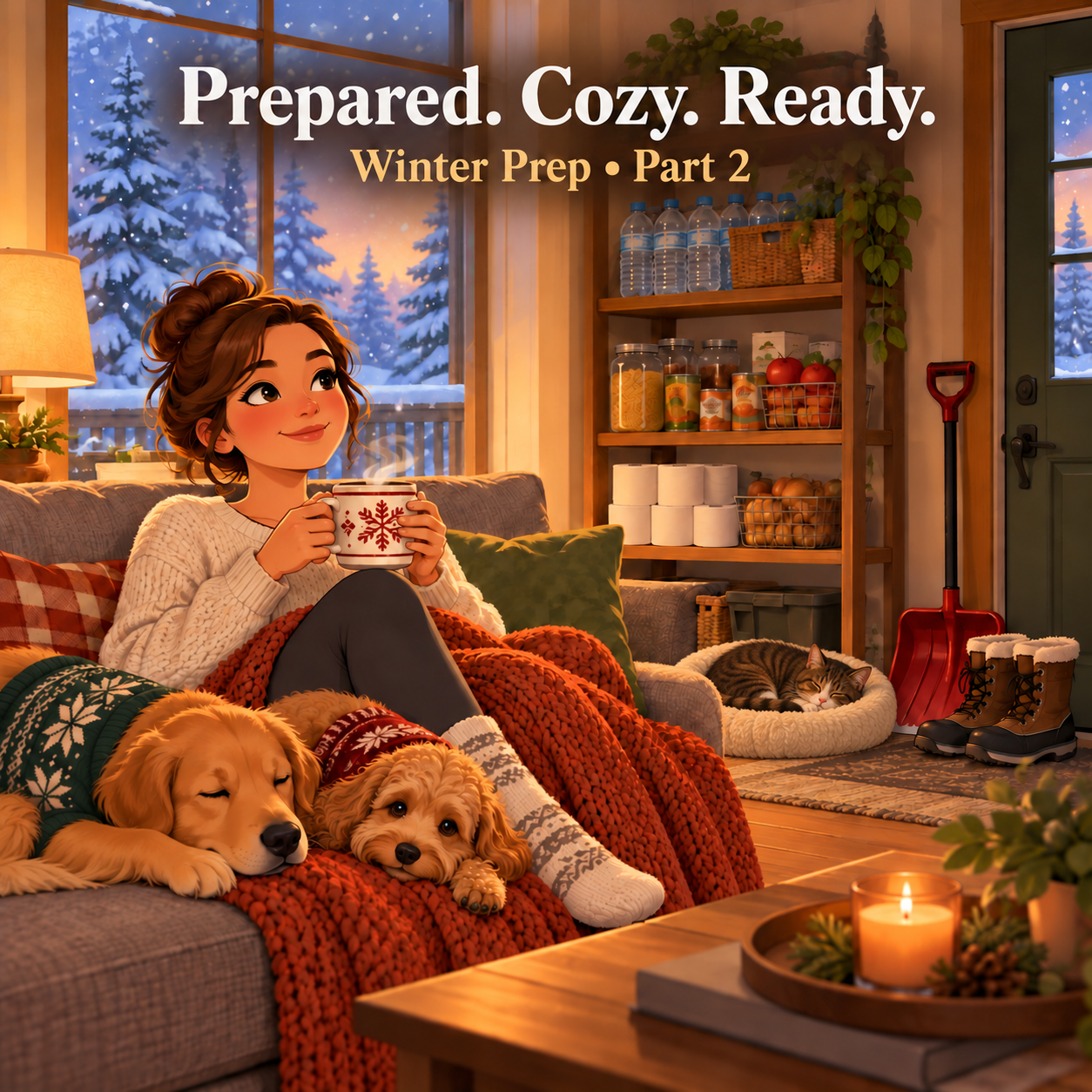
When winter weather arrives, you’ll have fewer things to figure out at the last minute—and more time to settle in and enjoy the comfort of home.
Missed the first checklist? Read Part 1: Everyday Essentials, Snow Supplies, and Your Car to get started.
Lynn Nichols, Realtor® | MRP
KW Flagship
MarylandHomesByLynn.com
196 total views, 2 views today